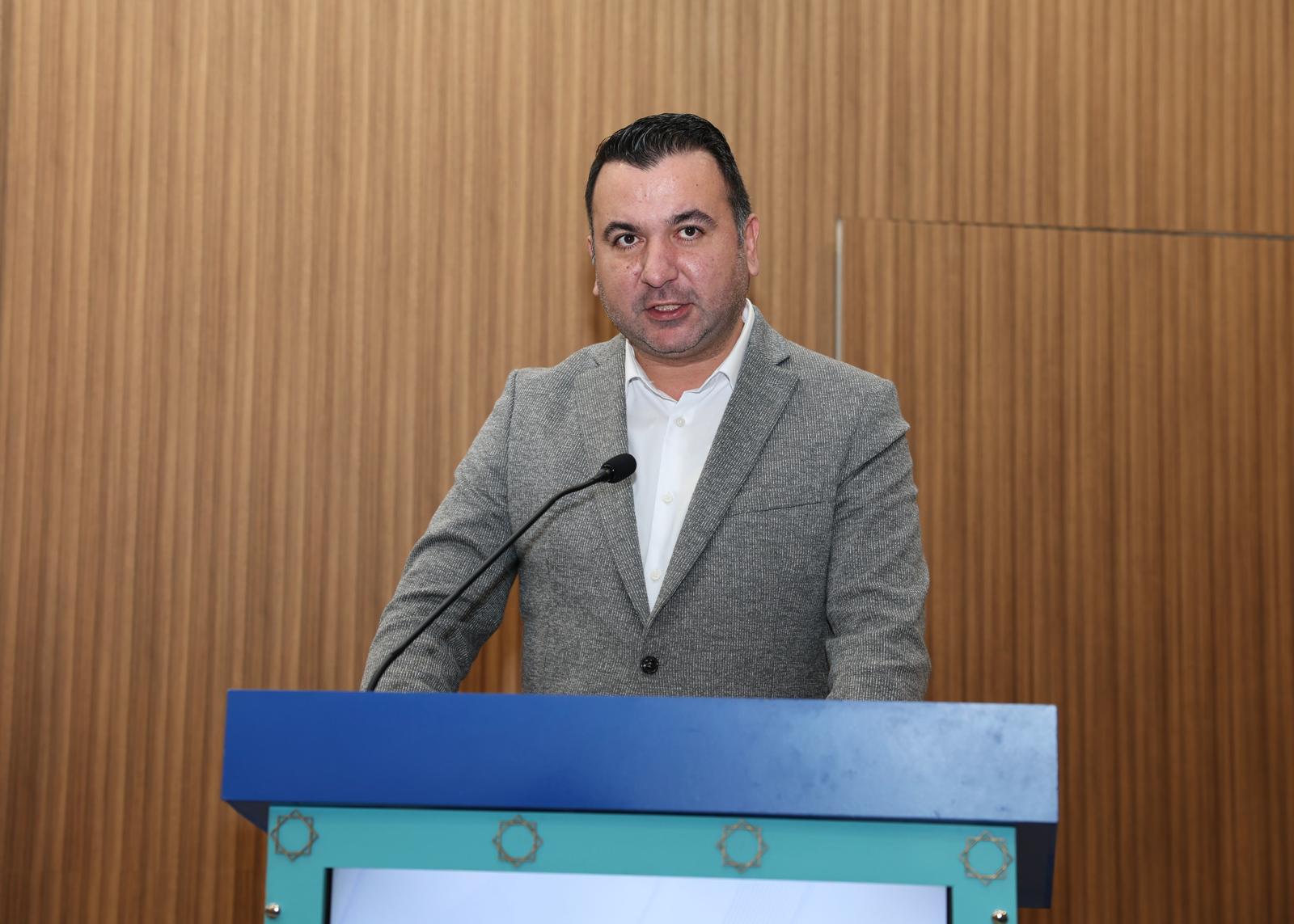
Cem Özcan, President of the Alanya Tourist Operators Association (ALTİD), drew attention to the fact that the tourism sector is not receiving the support it deserves within the scope of tax regulations, and emphasized that the sector should be evaluated as a service exporter and benefit from the tax reductions provided to exporters.
Özcan stated that the advantages granted to exporting sectors within the scope of the “Bill to Amend the Corporate Tax Law” should also encompass the tourism sector, expressing that if the bill is accepted, reducing the corporate tax rate would provide significant relief to the sector.
Reminding that tourism is a strategic source of foreign exchange for the Turkish economy, Özcan stated that the sector generates approximately 60 billion dollars in annual revenue and supports more than 60 sub-sectors. Özcan said, “By its very nature, tourism is a sector that carries out service exports. Despite this, its inability to benefit from the tax advantages provided to goods exporters is a significant deficiency.”
“EQUALITY MUST BE ENSURED IN TAX POLICIES” Reminding that significant tax advantages are provided to the manufacturing and export sectors in the support programs announced by the Presidency, Özcan stated, “The corporate tax rate applied to manufacturing exporters has been reduced to 9 percent, and to general exporters to as much as 14 percent. However, the tourism sector has been left out of this scope. All sectors that earn foreign exchange must be supported equally.”
ATTENTION DRAWN TO VAT AND COST BURDENS Özcan, also addressing the imbalance in VAT applications within the tourism sector, stated that the application of 1% VAT on food purchases while applying 10% VAT on sales creates an additional burden on businesses. Expressing that this difference is not sustainable for the sector, Özcan said that regulations must be revised in favor of investors.
“IF TOURISM IS SUPPORTED, THE ECONOMY STRENGTHENS” Reminding that as of 2025, Türkiye aims for over 65 billion dollars in tourism revenue and approximately 64 million visitors, Özcan emphasized that the contribution of tourism to the country's economy is increasing every year. Stating that the sector is going through a challenging process due to geopolitical developments and rising costs, Özcan made the following assessment: “Tourism is one of Türkiye's most important windows to the world. For this reason, it is of great importance that our sector is evaluated within the scope of service exports and that it effectively benefits from Eximbank loans, tax advantages, and incentives. The tax reductions and VAT regulations to be provided will play a critical role for the sustainability of the sector.”
ALTİD President Cem Özcan added that the tourism sector receiving the support it deserves would both boost the sector's morale and contribute directly to the strengthening of the Turkish economy.