Italic
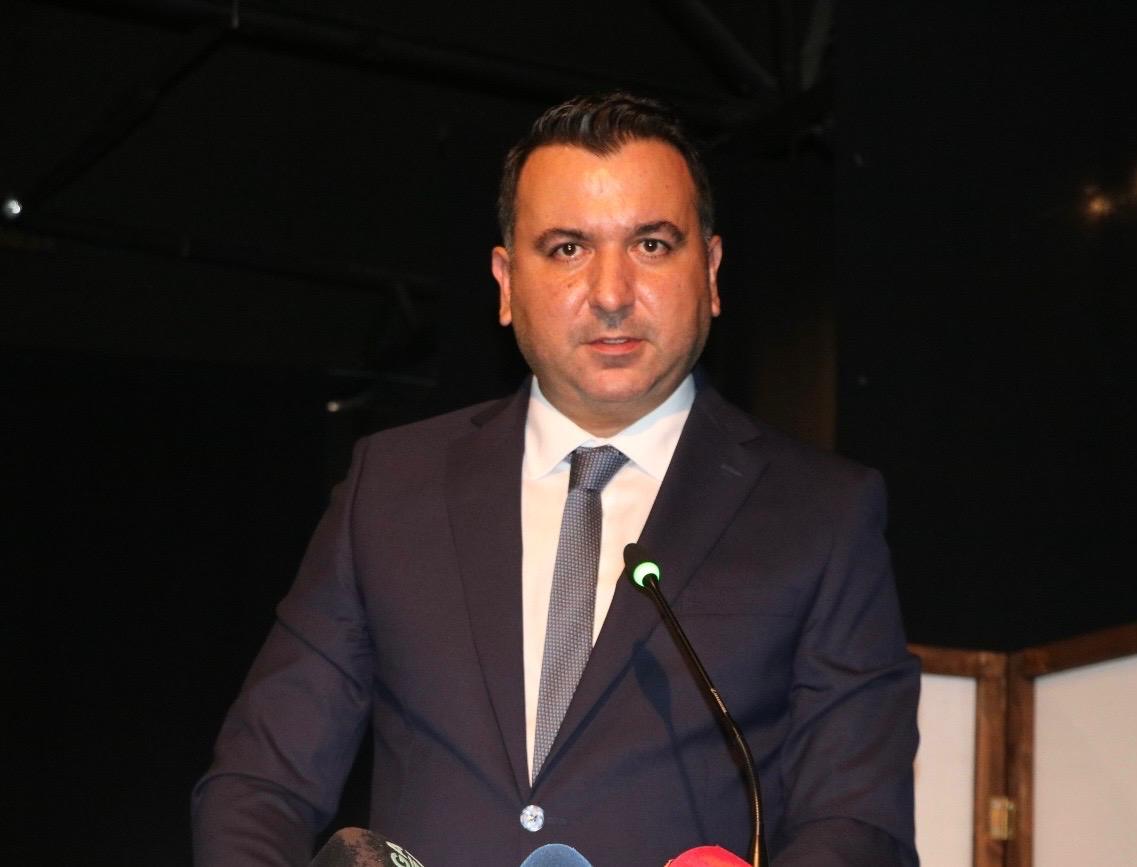
Cem Özcan, President of the Alanya Tourist Operators Association (ALTİD), made evaluations regarding the ongoing discussions concerning foreign-based online travel and accommodation platforms. Özcan emphasized that the issue is not prohibition, but rather the correct, balanced, and auditable integration of these platforms into Turkey's tourism and legal systems.
Pointing out that such platforms operate within a specific framework of rules in many countries around the world, Özcan stated that platforms serving in Türkiye must also open offices, establish points of contact, and assume responsibilities in accordance with legislation. Expressing that global reservation platforms operating in Türkiye without establishing a company create unfair competition against travel agencies that fulfill their legal obligations, Özcan emphasized that the inability to find a legal interlocutor in cases of consumer grievances is also a significant problem. Highlighting that the process must be managed carefully for destinations based on international individual reservations, such as Alanya, Özcan said that the sudden and holistic blocking of access to these platforms could lead to a contraction in the reservation flow and a loss in the destination's international visibility if strong alternatives are not created.
Stating that world tourism is advancing rapidly on the axis of digitalization, artificial intelligence, and global online platforms, Özcan expressed that online travel agencies (OTAs) have now become not just a sales channel, but a global showcase for countries and destinations. “Turkey’s hotels, coasts, cities, and brands reach millions of potential guests simultaneously through these platforms. Steps must be taken without ignoring this reality,” said Özcan, noting that the headings of taxation, representation, data usage, consumer rights, and unfair competition must be regulated with clear, transparent, and auditable rules. Also touching upon the importance of Turkey creating strong domestic reservation platforms, Özcan emphasized that the sector must act in cooperation to create brands capable of competing on a global scale, stating, “We must unite to create domestic brands that can compete on a global scale.” He pointed out that countries with a say in tourism progress not by closing digital platforms, but by regulating them and strengthening competition.
Özcan stated that the solution is not the complete disabling of platforms, but rather ensuring that they fulfill their tax and legal obligations by establishing companies in Türkiye and operating under supervision, expressing that the long-term goal should be to strengthen Turkish tourism and Alanya within a regulated, transparent, and sustainable digital marketing environment. Stating that the solution lies in dialogue and regulation, Özcan concluded his remarks as follows: “We must examine the balanced and functional models in the world and adapt the applicable ones to Türkiye. In this way, we will both protect our sector and ensure that we do not disconnect Turkish tourism from the world.”