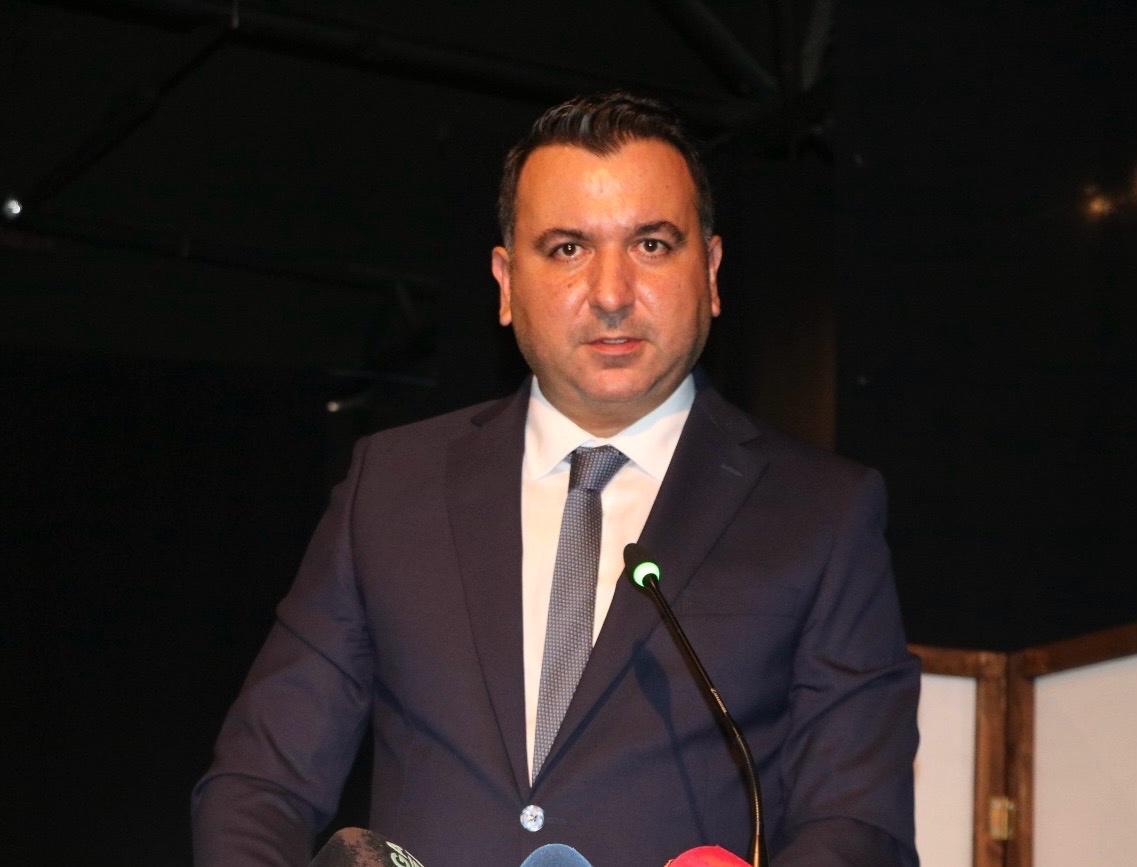
Alanya Tourism Operators Association (ALTİD) President Cem Özcan made an assessment regarding the start of the 2026 tourism season. Özcan stated that tourism facilities have largely completed their technical and security investments. Saying, “As the private sector, we are fulfilling our responsibilities. Now, the strategic support of our state and the relevant ministries carries great importance,” Özcan called for solidarity among all stakeholders for the season to pass smoothly.
CORE PROBLEMS: INFLATION, COST, AND COMPETITION Among the biggest problems facing the tourism sector in 2026 are high inflation, the "expensive country" perception caused by foreign exchange rate pressure, and increasing operating costs. In this period of intensifying competition, tourists turning toward alternative destinations and the decline in profit margins stand out as the fundamental challenges ahead of the sector. In light of all these developments, Özcan emphasized that support mechanisms must be rapidly implemented for the tourism sector to remain strong.
ALANYA IS READY, AWAITING SUPPORT
Stating that the new season preparations of the tourism sector in Alanya have been largely completed, ALTİD President Cem Özcan expressed that facilities have fully implemented their technical infrastructure and security investments. Emphasizing that the private sector is fulfilling its responsibilities, Özcan noted that public support has now reached a critical stage for the season to proceed in a healthy and sustainable manner. Expressing that the new season could not be entered with the expected motivation, Özcan stated that strong cooperation and coordination between the public and private sectors are of vital importance to overcome the current bottleneck experienced in the industry. Additionally, he called upon all stakeholders to act in solidarity and move together.
“FOREIGN EXCHANGE INCENTIVE SHOULD BE EXTENDED” Highlighting that the 3% foreign exchange support provided to tourism professionals, which is set to expire on April 30, needs to be extended, Özcan stated that procedural obstacles in the incentive mechanism constitute a serious problem for the sector. Noting that hoteliers face difficulties in the processes of obtaining consent, particularly because payments are made through agencies, Özcan said, “The legislation needs to be simplified so that accommodation facilities can benefit from this support directly.”
“ACCOMMODATION TAX SHOULD BE SUSPENDED THIS YEAR” Stating that tourism businesses are under a serious burden in the face of rising costs, Özcan noted that concrete steps must be taken to relieve the sector. In this context, it was proposed that the accommodation tax not be collected specifically for the year 2026 and that a regulation be made regarding VAT rates. Additionally, it was pointed out that the additional costs brought by legal obligations, such as the fire regulation, are straining the resilience of businesses.
RISKS AND ADVANTAGES TOGETHER Among the main risk factors affecting the tourism sector in the 2026 season, the "Middle East perception" emerging in the European market, increasing energy and transportation costs, and the slowdown in reservations stand out. In contrast, our region's wide market diversity, loyal customer base, and the sector's ability to adapt quickly to crises are considered significant advantages.
“DOUBLE PRESSURE” CHALLENGES THE SECTOR
It is being noted that the contraction experienced in the tourism sector stems not only from security concerns but also from economic factors. Experts state that rising fuel prices and disruptions in the supply chain have increased travel costs, a situation that leads families to act more cautiously in their holiday planning. ALTİD President Cem Özcan, expressing that the effects of this "double pressure" formed in the sector are being felt, emphasized that the process can only be overcome through collective intelligence and strong cooperation, delivering the message, “We can only overcome this process by acting together.”